
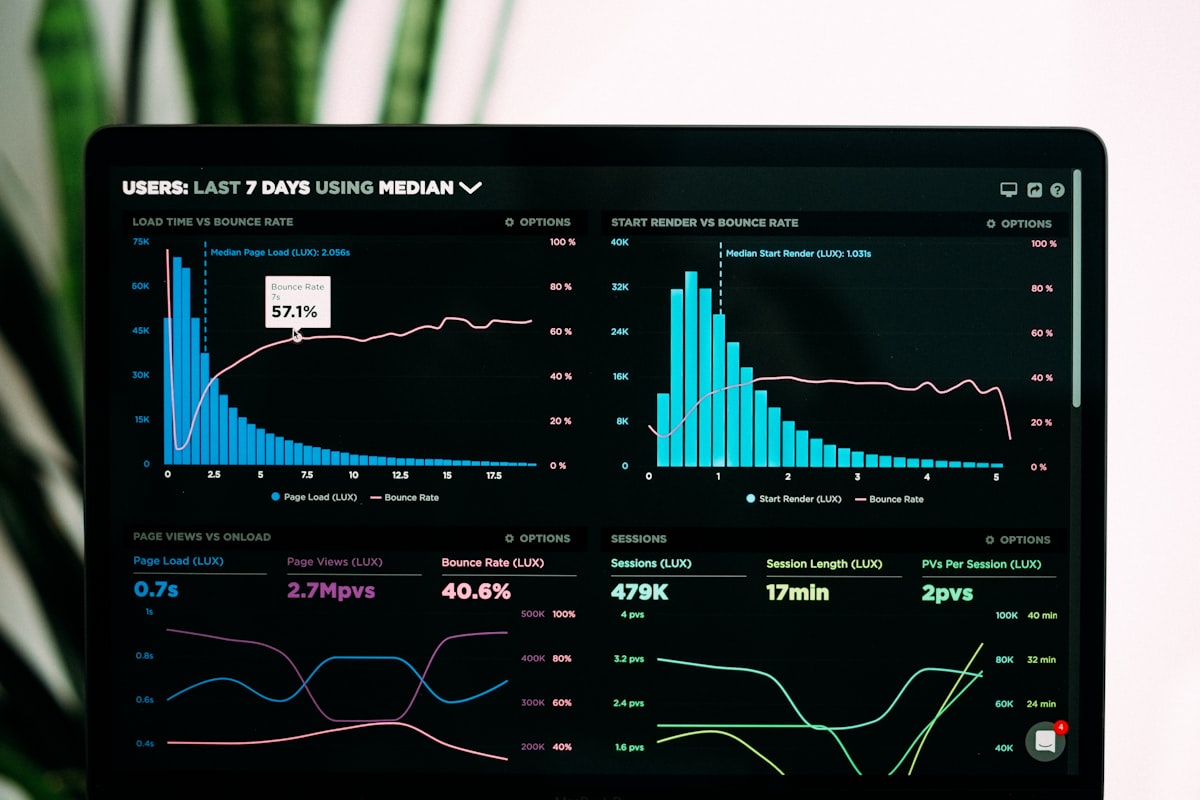
The Enterprise Frontend Challenge: Telemetry Grids & Memory Leaks
Enterprise SaaS applications—such as multi-warehouse inventory systems, hospital clinical portals, and financial transaction dashboards—are fundamentally different from standard consumer websites. They handle hundreds of live data points per second, complex nested modals, multi-branch dropdown filters, and high-frequency WebSocket or SignalR streams.
Historically, managing this state in Angular required complex RxJS operators (combineLatest, shareReplay, switchMap) and manual unsubscription boilerplate (takeUntilDestroyed) to prevent insidious memory leaks. Furthermore, Angular’s default change detection engine—powered by zone.js—monkey-patched every asynchronous browser API, traversing the entire DOM tree whenever a single metric changed.
With Angular 18 and 19, the framework underwent an architectural renaissance: introducing native Angular Signals, Zoneless change detection, and declarative Deferred Views (@defer).
The Power of Angular Signals in Enterprise Dashboards
Angular Signals provide fine-grained reactivity. Instead of checking every component across your page, the template binds directly to individual signals. When a signal updates, only the precise DOM node that depends on that signal re-renders.
import { Component, computed, signal } from '@angular/core';

interface StockItem {
  sku: string;
  name: string;
  warehouseQuantity: number;
  threshold: number;
}

@Component({
  selector: 'app-inventory-kpi',
  standalone: true,
  template: `
    <div class="kpi-card p-6 bg-slate-900 border border-slate-800 rounded-xl shadow-lg">
      <h3 class="text-sm font-semibold text-slate-400">Low Stock Alert Items</h3>
      <div class="mt-2 text-3xl font-bold text-amber-400">
        {{ lowStockCount() }}
      </div>
      <p class="text-xs text-slate-500 mt-1">
        Across {{ totalWarehouses() }} monitored distribution hubs
      </p>
    </div>
  `
})
export class InventoryKpiComponent {
  // Writable Signal representing live stock items
  inventory = signal<StockItem[]>([]);
  totalWarehouses = signal<number>(12);

  // Computed Signal: automatically recalculates only when inventory changes
  lowStockCount = computed(() => {
    return this.inventory().filter(item => item.warehouseQuantity <= item.threshold).length;
  });

  // Method called by SignalR hub when real-time updates arrive
  updateStockTelemetry(updatedItems: StockItem[]) {
    this.inventory.set(updatedItems);
  }
}
Key Advantages for Complex Portals:
- Zero Subscription Memory Leaks: Unlike RxJS Observables, Signals do not require manual unsubscriptions when components are destroyed.
- Glitches & Redundant Computations Eliminated: Computed signals are lazily evaluated and memorized, preventing duplicate recalculations during rapid state changes.
- Seamless Readability: Junior and senior developers alike can reason about state without wading through dense reactive operator chains.
Going Zoneless: Slashing Bundle Size & Maximizing Rendering FPS
In traditional Angular applications, zone.js added 35KB–45KB of initial JavaScript overhead and triggered global change detection runs on every mouse move, timer, or AJAX callback.
By enabling Zoneless Mode in Angular 19, change detection is notified directly by signal updates and DOM events:
import { bootstrapApplication } from '@angular/platform-browser';
import { provideExperimentalZonelessChangeDetection } from '@angular/core';
import { AppComponent } from './app/app.component';

bootstrapApplication(AppComponent, {
  providers: [
    provideExperimentalZonelessChangeDetection(),
    // ...other enterprise providers (auth, routing, HTTP client)
  ]
}).catch(err => console.error(err));
The Measurable Impact:
- Initial Bundle Reduction: Completely eliminates the
zone.jsruntime polyfill. - Stable 60 FPS under High Telemetry: Even when receiving thousands of SignalR stock updates or medical monitor ticks per second, the UI stays silky smooth because unchanged DOM components are never touched.
Deferred Loading with @defer: Turbocharging First Contentful Paint
Enterprise dashboards frequently feature heavy data grids, charting libraries (Chart.js or Apache ECharts), and export dialogs that users don’t need immediately on page load. Angular’s declarative @defer block enables surgical code splitting:
<!-- The executive chart code is only downloaded when it scrolls into view -->
@defer (on viewport; prefetch on idle) {
  <app-financial-velocity-chart [data]="monthlyFinancials()" />
} @placeholder {
  <div class="skeleton-chart-placeholder h-72 rounded-xl bg-slate-800 animate-pulse"></div>
} @error {
  <p class="text-rose-400">Failed to load financial velocity telemetry.</p>
}
Summary
Angular 19 delivers the exact combination of rigorous type safety, modular standalone architecture, and fine-grained reactivity required by enterprise SaaS platforms. By transitioning to Signals, adopting Zoneless change detection, and leveraging declarative deferred loading, engineering teams can build complex data portals that load instantaneously and respond with zero latency.
Are you building or modernizing an enterprise SaaS platform? Speak with the full-stack architects at DivyamStack to engineer a high-performance frontend.